
Sleep is something everybody needs, yet it is often one of the first things we sacrifice when life gets busy. Between work, family responsibilities, and constant digital distractions, many people treat sleep as a luxury rather than a necessity. But in reality, sleep is one of the most essential biological processes that keeps our bodies and minds functioning properly.
World Sleep Day is observed every year on the Friday before the March equinox, usually falling in mid March. This year, it lands on March 13. The day is meant to remind us just how important good sleep is for our overall health and well being. So in the spirit of today, let’s look at a few facts you may not know about sleep.
😴 Scientists still don’t fully know why we sleep.
Researchers have several theories, including brain repair, gene maintenance, and memory processing, but the exact reason remains a mystery.
🐘 Wild African elephants are among the animals that sleep the least.
In the wild, they may sleep as little as two hours in a 24-hour period.
🐨 Koalas are some of the biggest sleepers.
They can sleep 18 to 22 hours a day, while human infants sleep about 16 hours on average.
💤 Humans dream several times each night.
Most people have 3 to 6 dreams per night, mainly during REM sleep cycles.
💭 Humans are not the only ones who dream.
Scientists believe most mammals dream, and research suggests birds and even some reptiles may dream too.
🩸 Nighttime leaks are a common concern during heavy periods.
Research shows that 62% of people with heavy menstrual bleeding have ruined sheets or bedding because of nighttime bleeding or inadequate protection.
Why Sleep Is Essential for Health
Sleep affects nearly every system in the body. The way we feel, think, and function during the day is strongly influenced by the quality of sleep we get at night.
Some of the most important benefits of healthy sleep include:
-
Improved brain function: Sleep helps the brain process information and strengthen memories, making it easier to learn and retain new knowledge.
-
Stronger immune system: During sleep, the immune system becomes more active, helping the body fight infections and illness.
-
Better heart health: Blood pressure and heart rate decrease during sleep, giving the cardiovascular system time to recover.
-
Balanced metabolism: Sleep helps regulate hormones that control hunger and energy use, reducing the risk of weight gain and metabolic disorders.
-
Better mood and emotional stability: Adequate sleep helps regulate emotional responses and reduces stress and irritability.
-
Improved focus and decision-making: When we are well rested, our brains can concentrate, react, and process information more effectively.
Without enough sleep, many of these processes are disrupted. People who regularly experience sleep deprivation may struggle with concentration, memory, and mood, and may face increased risks of long-term health issues.
Why Deep Sleep Is So Important
While the number of hours we sleep matters, sleep quality is just as important as sleep duration.
Throughout the night, the body cycles through different sleep stages, including light sleep, deep sleep, and REM (rapid eye movement) sleep. Among these stages, deep sleep, also known as slow-wave sleep, is especially important for physical recovery and restoration.
During deep sleep:
-
muscles repair and recover
-
tissues regenerate
-
growth hormones are released
-
the immune system strengthens
However, the body can only reach and maintain these restorative stages if sleep remains relatively uninterrupted. Frequent awakenings can prevent the body from completing full sleep cycles, reducing the overall benefits of sleep.
Common Nighttime Habits That Disrupt Sleep
Many sleep disruptions are caused by everyday habits that people may not realize are affecting their sleep. Some of the most common nighttime distractions include:
-
Technology in the bedroom – Using phones or devices before bed stimulates the brain and can delay sleep. Notifications may also wake people during the night.
-
Uncomfortable room temperature – Bedrooms that are too warm can make it harder to stay asleep.
-
Sharing a bed with partners or pets – Movement, snoring, or different sleep schedules can disrupt sleep cycles.
-
Late caffeine or alcohol consumption – These can lead to nighttime awakenings and poorer sleep quality.
-
Frequent bathroom trips at night – Drinking too many fluids before bed can interrupt sleep.
Small adjustments, such as creating a relaxing bedtime routine, limiting screen time before bed, and maintaining a comfortable sleep environment, can greatly improve sleep quality.
Final Thoughts
We spend about one third of our lives sleeping, so it makes sense that we want that sleep to be as comfortable and uninterrupted as possible.
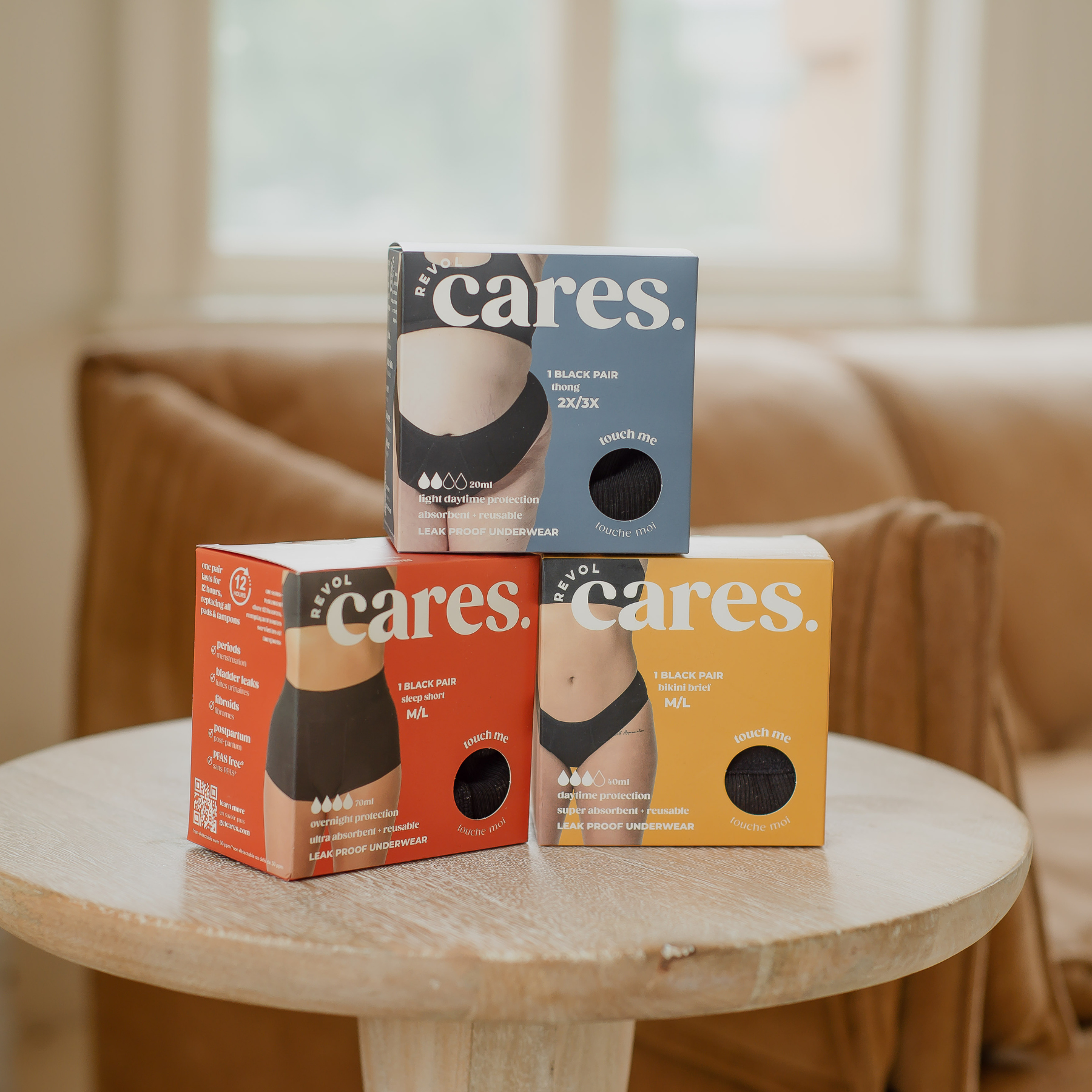
At Revol Cares, we design overnight protection to help you rest through the night without worrying about leaks or ruined sheets.
Charlie: our overnight pad, offers some of the highest absorbency on the market, with four-way protection from front to back and down to the legs, so no matter how you move, it moves with you.
Remi: our high-rise fabric-only style, it's butter soft and designed to gently hug your belly for comfortable, secure protection all night long.
Ready to upgrade your period experience? 👉 [Explore Our Collection →]